Between Tradition and Truth

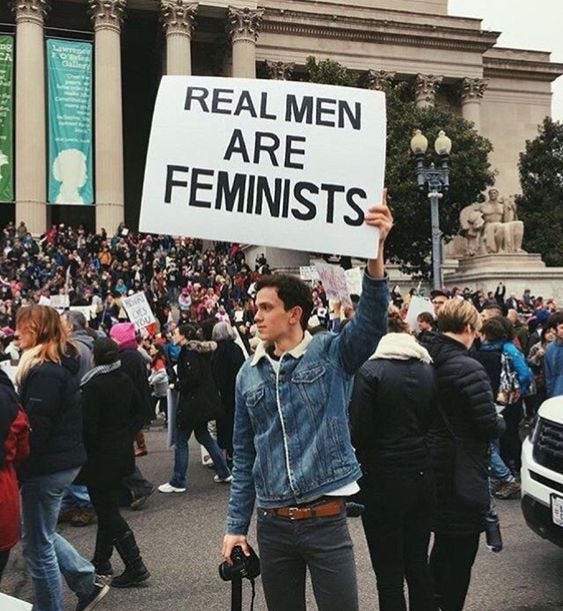
I grew up in a Pakistani household where the man is usually seen as the dominant figure, the one whose word often carries more weight than others. This isn’t just about my home; it feels like a pattern I’ve seen since childhood in many places around me.
I know I might be called performative or told I don’t understand the culture properly, but I still feel the need to say it. Women are humans just like men, and they deserve to be treated as such, not as secondary voices in their own lives. I’ve seen things I shouldn’t have seen at a young age, things like domestic violence, constant arguments, and divorce threats that turn a home into a place of fear instead of peace.
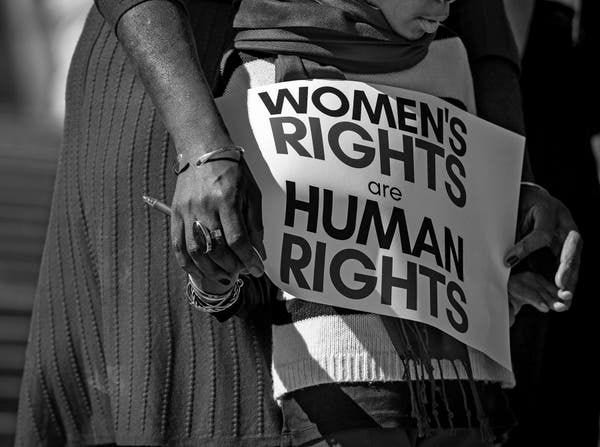
Another thing I’ve noticed is how society reacts when a man does household chores. If a man cleans, cooks, or helps at home, people often question him, saying things like “why are you doing this?” or “this is not what you’re made for, women are.” But people forget that helping at home is not something beneath a man. In fact, our Holy Prophet ﷺ used to help in household work, and it is narrated that he would serve his family, mend his own clothes, and take part in daily chores. That is the Sunnah we are meant to follow a balance of kindness, humility, and shared responsibility, not ego or superiority.
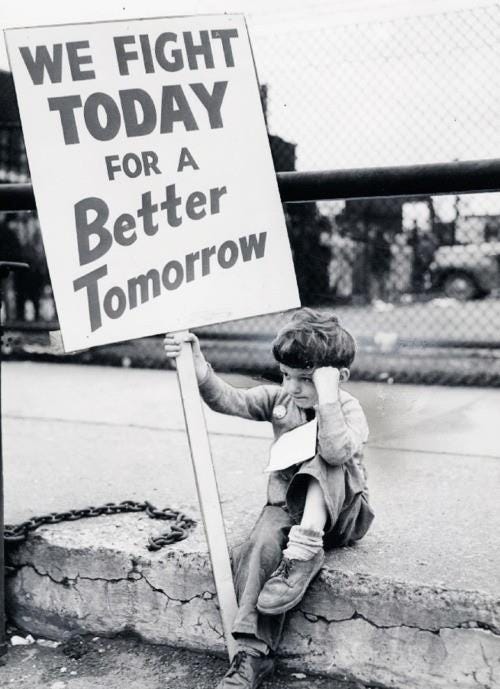
I believe there should be an end to this cycle where dominance is mistaken for respect. No one should feel afraid in their own home, and no one should be limited by outdated expectations of gender roles. Equality isn’t about replacing one side with the other, it’s about balance, understanding, and mutual respect between both.
This is the kind of change I hope to see one day where homes feel safe, where roles are not forced, and where both men and women are valued equally as human beings, the way they are meant to be.
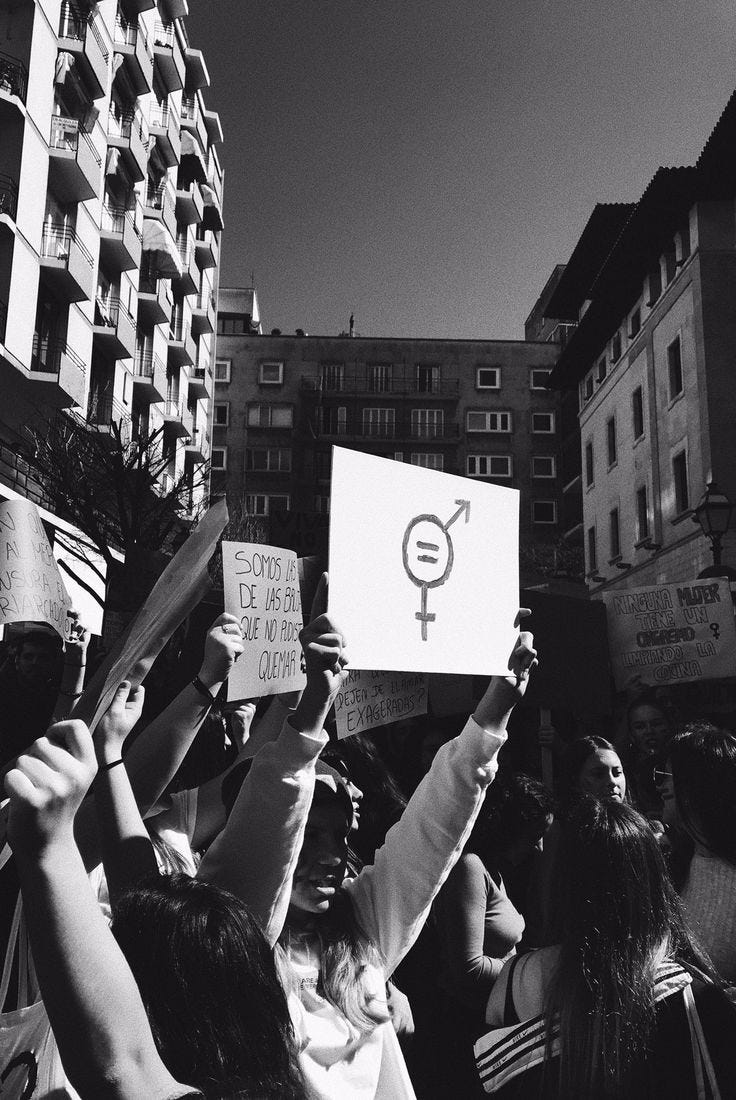
But by saying this I don't mean, women are better than men nor do I mean men are better than women, both men and women are equal….
- Sarim Imtiaz [@echoedink]
YESS CLOCK IT SARIM